Handa Youn
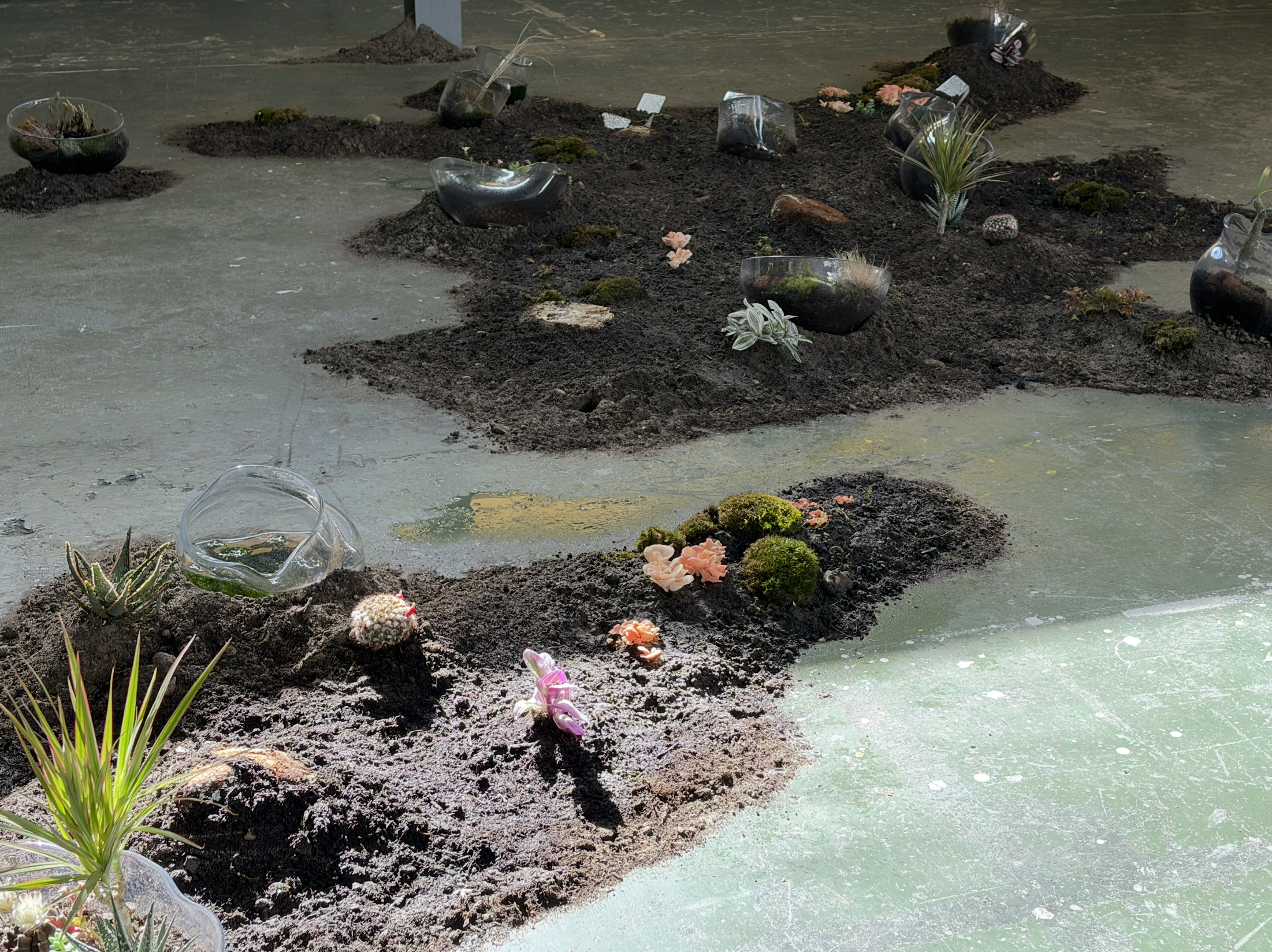
Handa Youn (b. 1987, South Korea) is a multidisciplinary artist based in Amsterdam and founder of Creative Foundation Octoh, a tailored support network empowering emerging artists take root within the untranslatable gaps of history. Navigating the world as a Third Culture Kid and perpetual nomad, Youn is fundamentally an adventurer and a practitioner of unlearning, experiencing the world directly through their physical body. They embrace the mistranslations between languages and bodies not as failures, but as a vibrant realm of imagination.
This embodied approach shapes their exploration of "placeability," treating physical locations not as flat backdrops, but as living history entities with distinct personalities, and memory itself as a breathing space. Investigating the emotional resonance between the movement of remembered scenes and immediate bodily presence, Youn’s practice shifts away from human centric control toward ecological listening and mutual care within interdependent ecosystems. By physically splitting, tearing, and restructuring media through text, essay film and performance, they transform the exhibition space into a "Site for Life’s Rehearsal." Here, the work resonates with human hesitations and the irregular pulses of life, fostering a sincere dialogue and alternative ways of knowing with sentient landscapes.
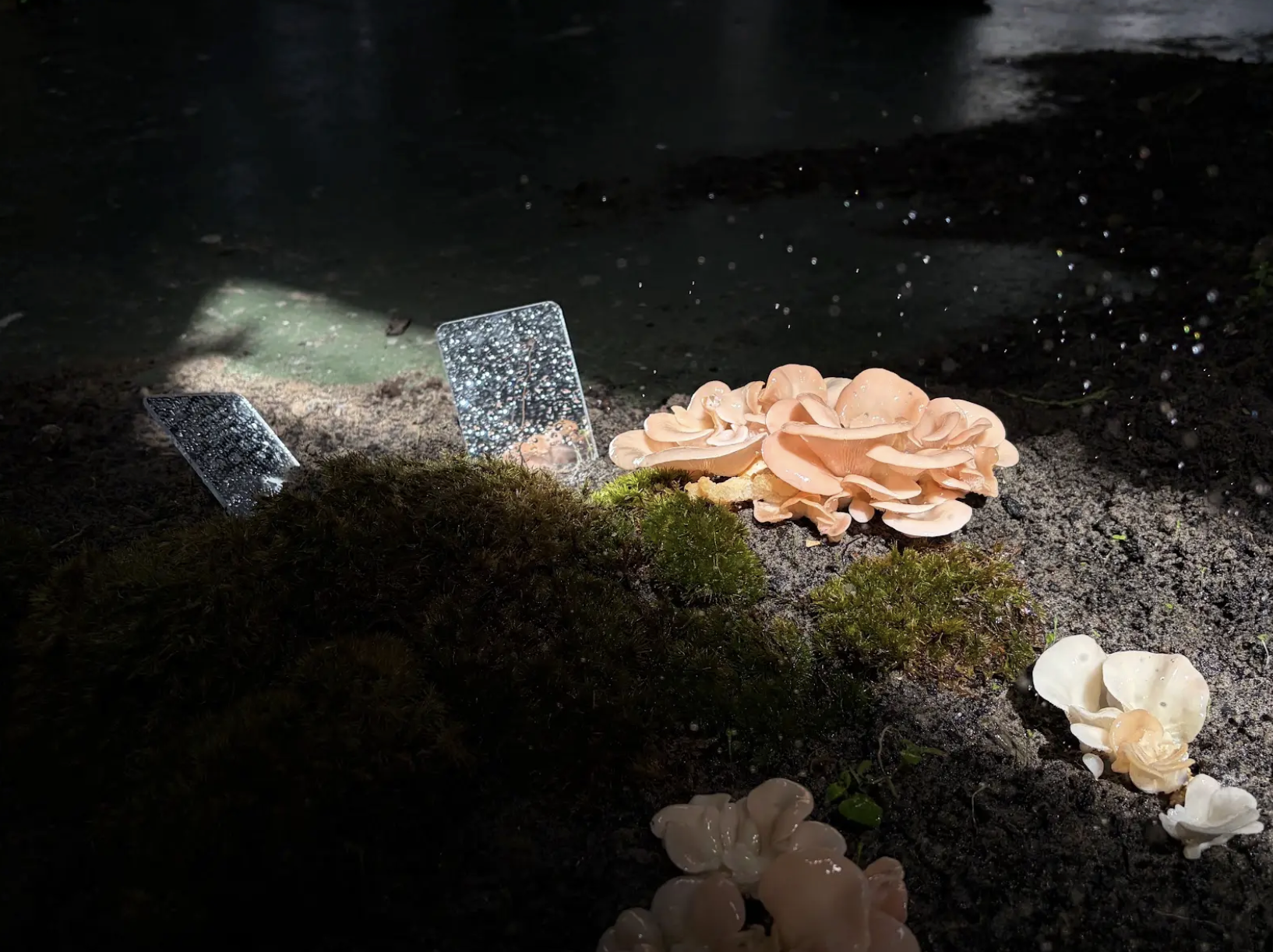
My research interests center on the fierce poetics of indigenous survival, exploring how communities digest colonial and industrial ruins to cultivate brilliant mutations of their cultural identity. Building on my ongoing field research, I am deeply curious about how this resilience takes shape in the extreme environment of the Atacama Desert.
During the residency, I hope to learn how local communities navigate the deep geological time of the desert alongside the more recent legacies of extraction. I am drawn to the region's material syncretism, wondering how the debris of history or modern industry might be quietly absorbed into daily survival. I would also love to explore how ancient reverence for the land, such as localized water practices or traditional farming, continues to maintain a "stubborn grace" amidst ongoing ecological shifts.
Rather than prescribing a definitive outcome, my goal is to approach this landscape as an empathetic outsider. I want to physically witness the friction between human endurance and the sheer scale of aridity, translating these quiet observations into a raw, tactile testimony of the desert and its people.